
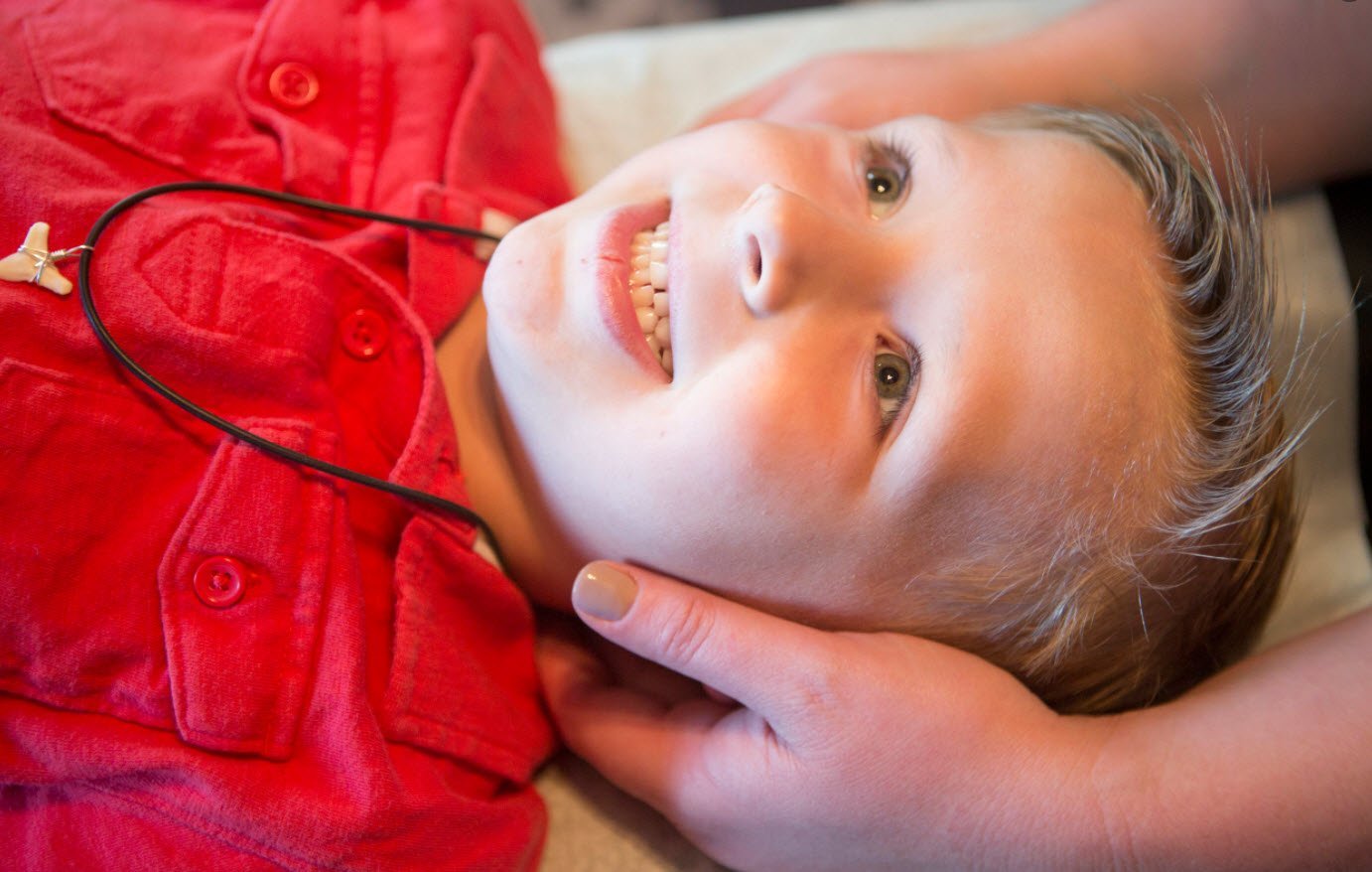
As we move from spring into summer in Rapid City, it’s common to see kids getting more active outside. From running in the backyard to riding bikes, their bodies go through a lot during this seasonal shift. Growing kids are always in motion, and with that motion comes occasional strain, awkward balance, or mild discomfort that many parents notice without knowing exactly what to do about it.
That’s where a pediatric chiropractor may be helpful. Many parents are curious about what this type of care involves, especially when their child isn’t in constant pain but just isn’t moving comfortably. Supporting a child’s spine and joint function during these quick bursts of growth can help them move, rest, and play with fewer interruptions.
Supporting Healthy Development During Milestone Phases
Kids don’t grow in a straight line. One month they’re steady on their feet, and the next they seem to trip over shadows. During growth spurts, the body changes fast, and sometimes coordination can’t keep up. Legs stretch out, posture shifts, and muscles work harder to support new movement patterns.
We often see young children face challenges like:
- Wobbly steps after a recent growth spurt
- Uneven posture during early walking or crawling stages
- Fatigue during play that used to come easily
Gentle chiropractic care may help by checking how joints, especially in the spine and hips, are moving. If there’s tension or slight misalignment, kids may move in ways that create more effort or discomfort. A light adjustment for posture or joint motion might ease that tension and guide the body into smoother, balanced movement.
At Rushmore Family Chiropractic, we use gentle, age-appropriate techniques for young patients and always explain each step to both parents and kids. Our approach includes a comfortable office environment and flexible scheduling options to match busy family routines.
Easing Common Discomforts Often Seen in Childhood
Not every ache comes from a fall. Many children pick up pressure points through daily habits, carrying backpacks that are too heavy, slumping in front of screens, or sleeping in unusual positions. Even small patterns like always sitting on one side of the couch can affect how their body feels over time.
Some common things we hear from parents include:
- Neck or upper back complaints after school
- Difficulty getting comfortable during sleep
- Slouched shoulders from hours of tablet use
These discomforts might not need urgent care, but they’re signals the body could use a little help. A pediatric chiropractor pays attention to how the spine and joints are working, not just whether they hurt. By checking alignment and gentle range of motion, we can often improve how the body holds itself, leading to small but noticeable improvements in daily comfort.
Staying Active With Fewer Setbacks During the Season
As the weather warms up, children in Rapid City spend more time outside, climbing playground equipment, starting up soccer practice, joining summer baseball, or cruising around on bikes and scooters. All that activity is great, but it can add extra load on joints that are still adjusting to a growing body.
The things we often hear about this time of year include:
- Children limping after a long day of playing
- Complaints of foot or leg strain even without a fall
- General crankiness that shows up after physical exertion
Chiropractic care during these active months can help support joint movement, which is especially important while bones and muscles are still developing. If one part of the body isn’t moving well, other areas often compensate, and that’s where small issues can begin. The goal isn’t to limit activity, it’s to help kids move without tension slowing them down.
Sometimes, when kids become engrossed in their activities, they may not mention discomfort right away. Instead, you might notice changes in how they move or interact. Parents may see their child avoiding certain games or feeling less coordinated than usual. Providing gentle support and addressing these concerns early can keep setbacks to a minimum as the season unfolds.
What a Visit Typically Looks Like for a Child
Kids need a different approach than adults. That starts right at the front door and continues through the entire visit. A pediatric appointment usually begins with casual conversation, asking what’s been going on, how they’ve been feeling, and what their day-to-day motion looks like.
Here’s what that often includes:
1. Talking through recent activity, sleep, or movement changes
2. Light movement screens to see how the body is functioning
3. Gentle adjustments if needed, often involving experienced, age-appropriate techniques
We adjust our approach depending on how old the child is. A toddler might need to wiggle around the entire time, while a teen might want to understand everything that’s happening first. Comfort comes first. That includes letting children ask questions, explaining steps clearly, and moving at a pace that puts them at ease.
A visit may also cover questions about school routines, nighttime comfort, and new activities. Parents and kids alike have the chance to talk about favorite sports, new hobbies, or challenges, which can all help tailor care to the child’s lifestyle. Each appointment is an opportunity to support comfortable motion and prevent disruptions that can slow kids down.
Choosing the Right Approach for Your Family
Every child is different, which makes choosing care feel like a big decision. Parents often wonder when the right time is to bring in a new type of care. You don’t need to wait for something big to happen. Sometimes small observations speak louder, like noticing a change in the way your child walks or hearing more body complaints than usual.
A few helpful starting points might be:
- Ask yourself if your child has been moving differently or more hesitantly
- Think about how often their routines involve sitting still or carrying heavy bags
- Consider how your child reacts to physical touch or activity, it might say a lot about tension hiding beneath the surface
Finding someone who communicates clearly, explains every step, and listens to both you and your child can make all the difference. As parents, we want to know our kids are being supported in ways that match their needs, not someone else’s template.
Remember, growth doesn’t always look the same from one child to the next. Some children breeze through active periods while others seem to need extra help staying comfortable. Choosing an approach that adjusts to your child’s pace helps them feel supported no matter how rapidly they grow or how much energy they have for summer adventures.
Helping Kids Grow with More Comfort and Confidence
Spring and early summer are active seasons, especially here in Rapid City. As children take on more movement in their day, from school field days to evenings at the park, their bodies may respond in new ways. Gentle support during these changes can help kids feel more at ease in their own movement.
Pediatric care isn’t about solving every problem. It’s about encouraging growing bodies to stay balanced and supported. As children stretch into new spaces, physically and mentally, supporting how they move, rest, and play can go a long way. A little ongoing care now can keep their confidence steady as they take on all kinds of new adventures.
Observing how children respond to increased activity and making small adjustments can be the key to healthy development. As routines change with the season, gentle support helps reinforce natural movement and resilience. Parents, teachers, and caregivers can share insights, and together with professional guidance, help children move forward with more comfort and confidence in every step.
As kids grow quickly, rapid changes can impact how their joints and muscles work together, especially during the active spring and summer months in Rapid City, SD. With a little support from a pediatric chiropractor, you can help your child stay balanced, energetic, and moving comfortably. At Rushmore Family Chiropractic, we focus on your child’s everyday comfort and movement, not just on relieving occasional soreness. Contact us to schedule a visit that fits your family’s schedule.